
Fixed teeth that last a lifetime - start your journey today
Comprehensive dental implant solutions for every case, including complex cases that are not suitable for traditional implants. Natural results and lasting confidence.
Approved international brands
High success rate
Immediate implants available
Flexible installment options
What are dental implants?
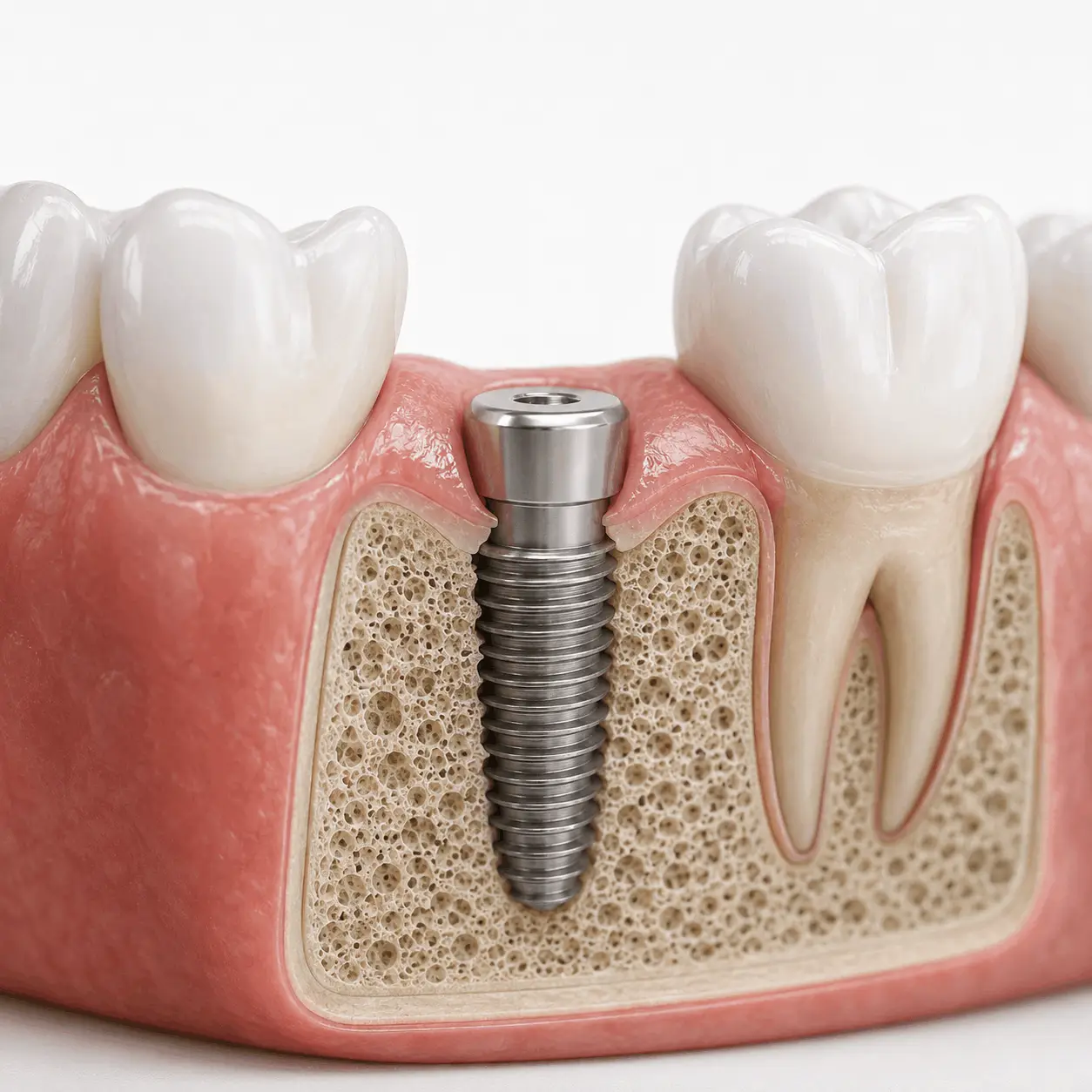
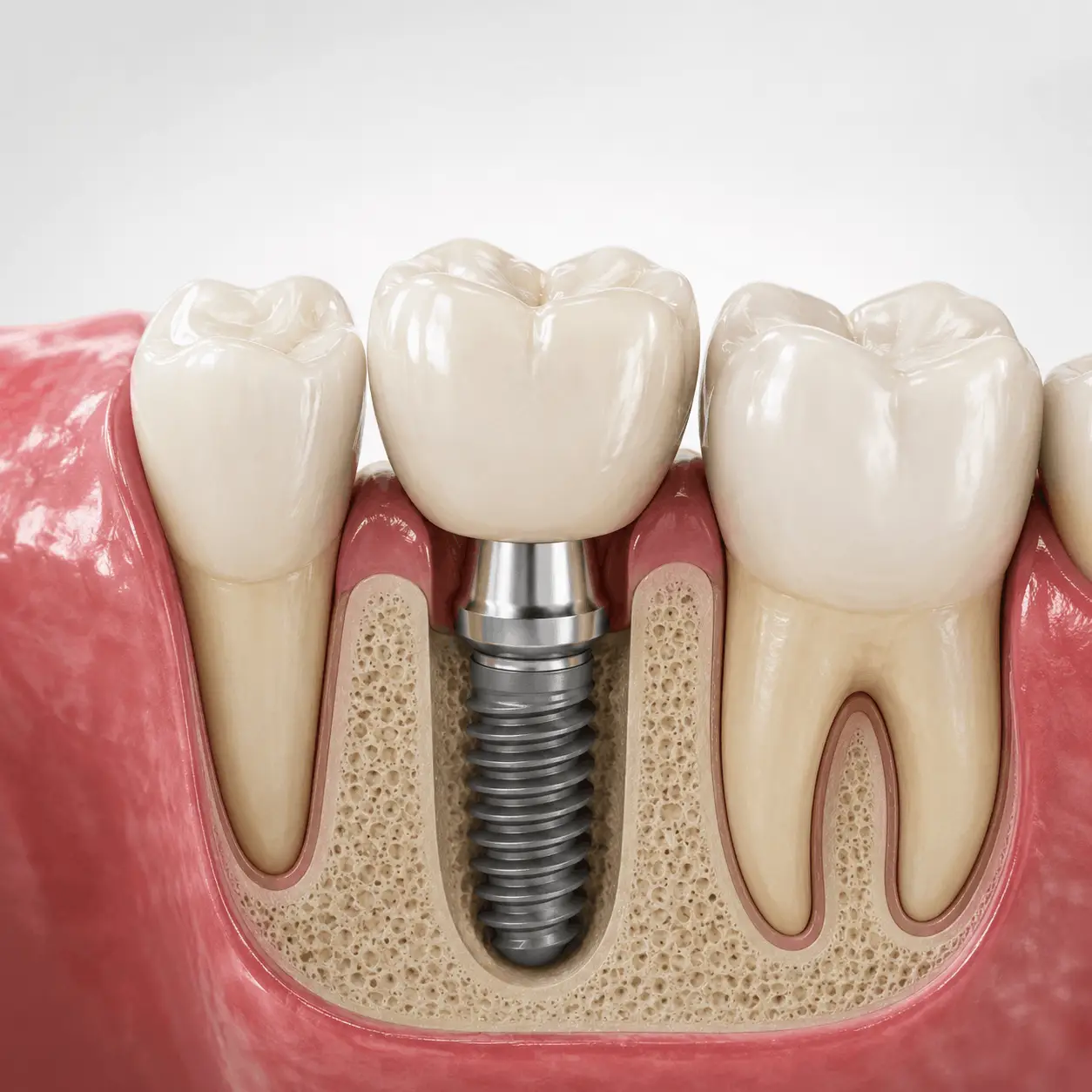
Dental implants are a fixed method for replacing a missing tooth. Simply, a small implant is placed inside the jawbone instead of the tooth root, then a new tooth is attached above it, designed to look and function like natural teeth.
Implants do not only help improve the appearance of your smile; they also help you eat and speak with greater comfort and confidence, and they help preserve the jawbone from the weakness that can happen after tooth loss.
Unlike removable dentures or bridges, implants are fixed, preserve the jawbone, and help prevent bone loss over time – which makes them the longest-lasting and most comfortable option in the long term.
The difference between implants and prosthetic appliances
Removable prosthetic appliances are temporary and may cause discomfort, while implants are permanent, you can eat with them, speak with them, and smile with complete confidence.

Types of Dental Implants
We choose the most suitable option with you based on your condition and jawbone.
Traditional Implants
The most common option for patients with healthy jawbone – excellent results and long lifespan.
[For standard cases]

Immediate Implants
The most common option for patients with healthy jawbone – excellent results and long lifespan.
[One session]
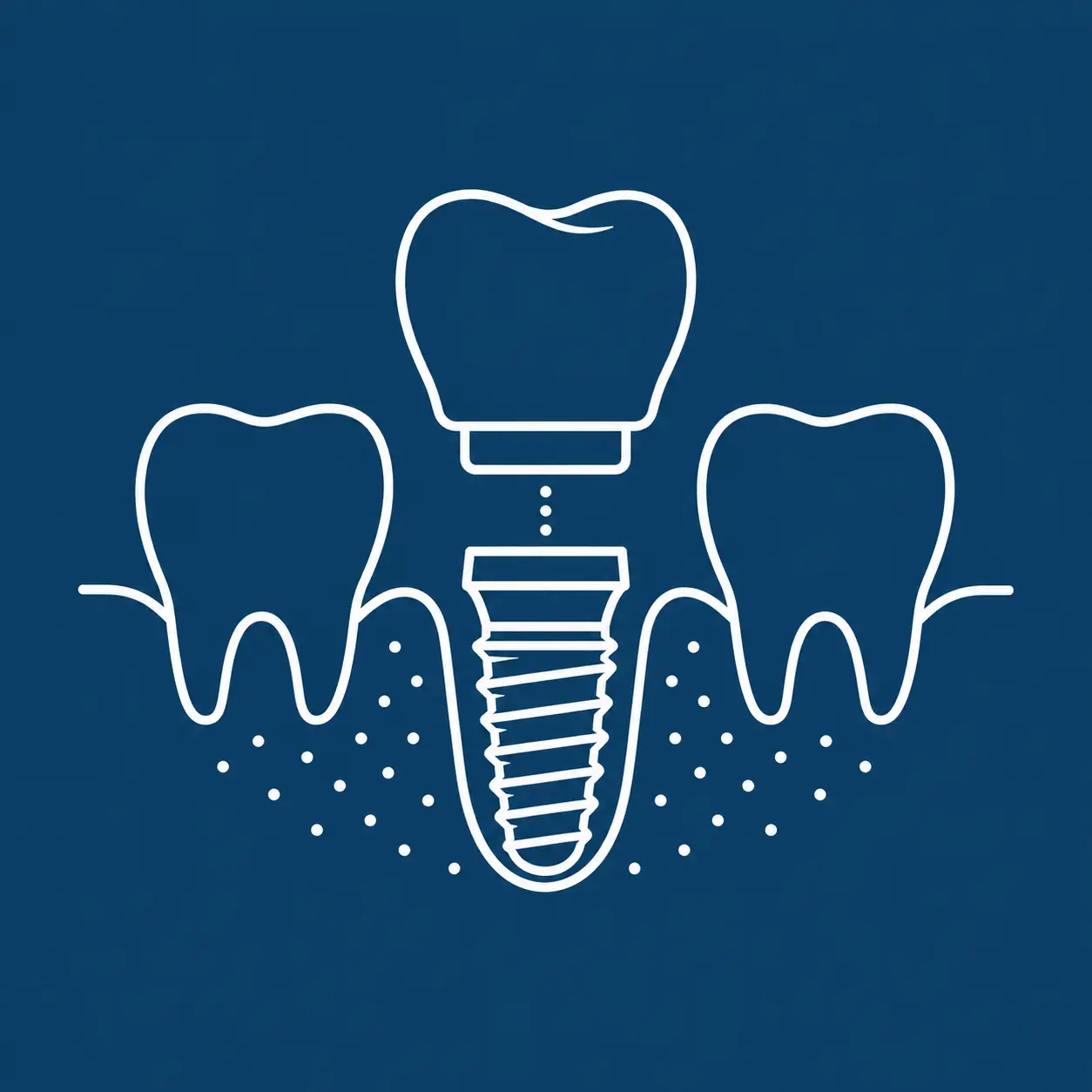
Anatomical Implants
The most common option for patients with healthy jawbone – excellent results and long lifespan.
[For complex cases]
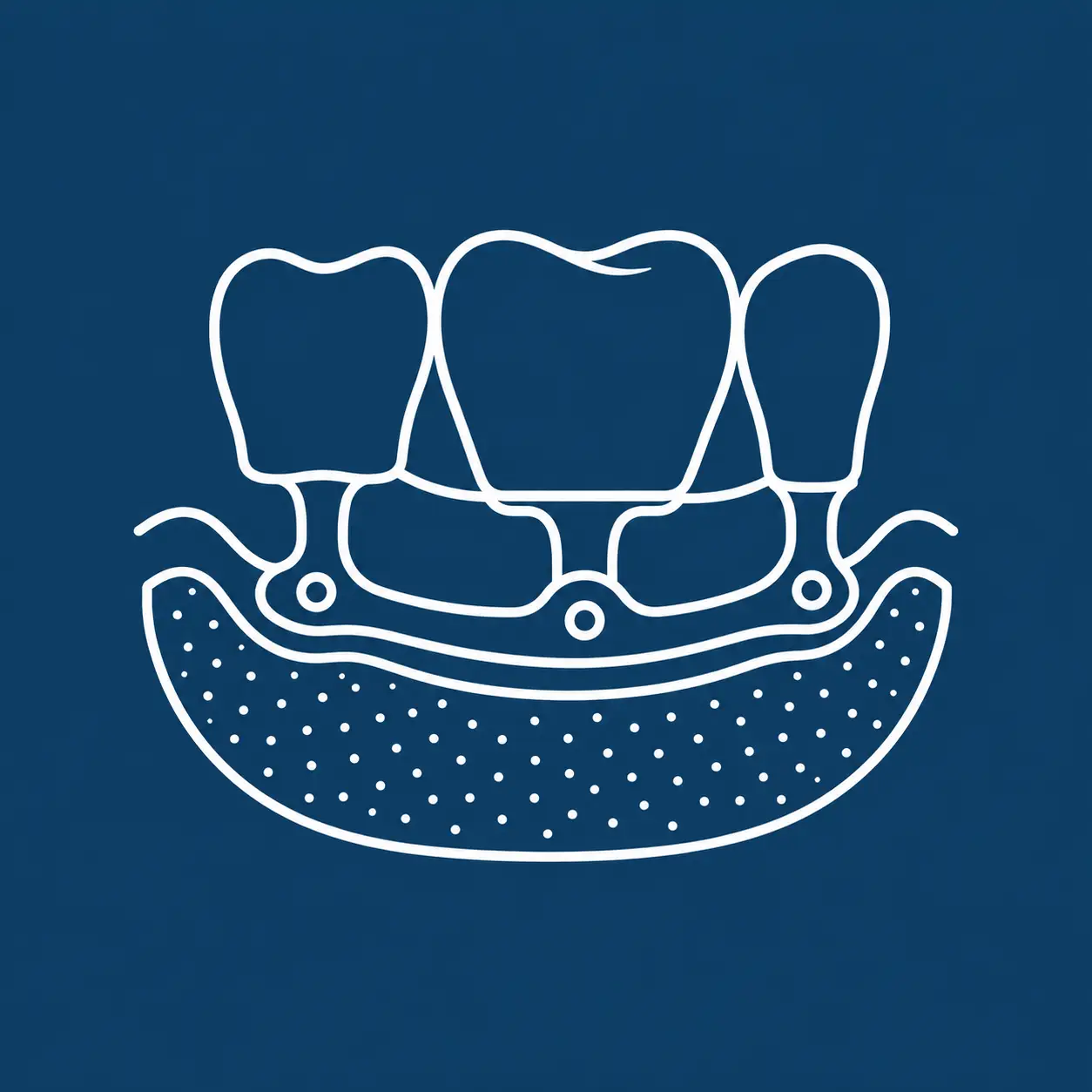
Full-Arch Implants (Full Jaw Implants)
The most common option for patients with healthy jawbone – excellent results and long lifespan.
[For missing most teeth]
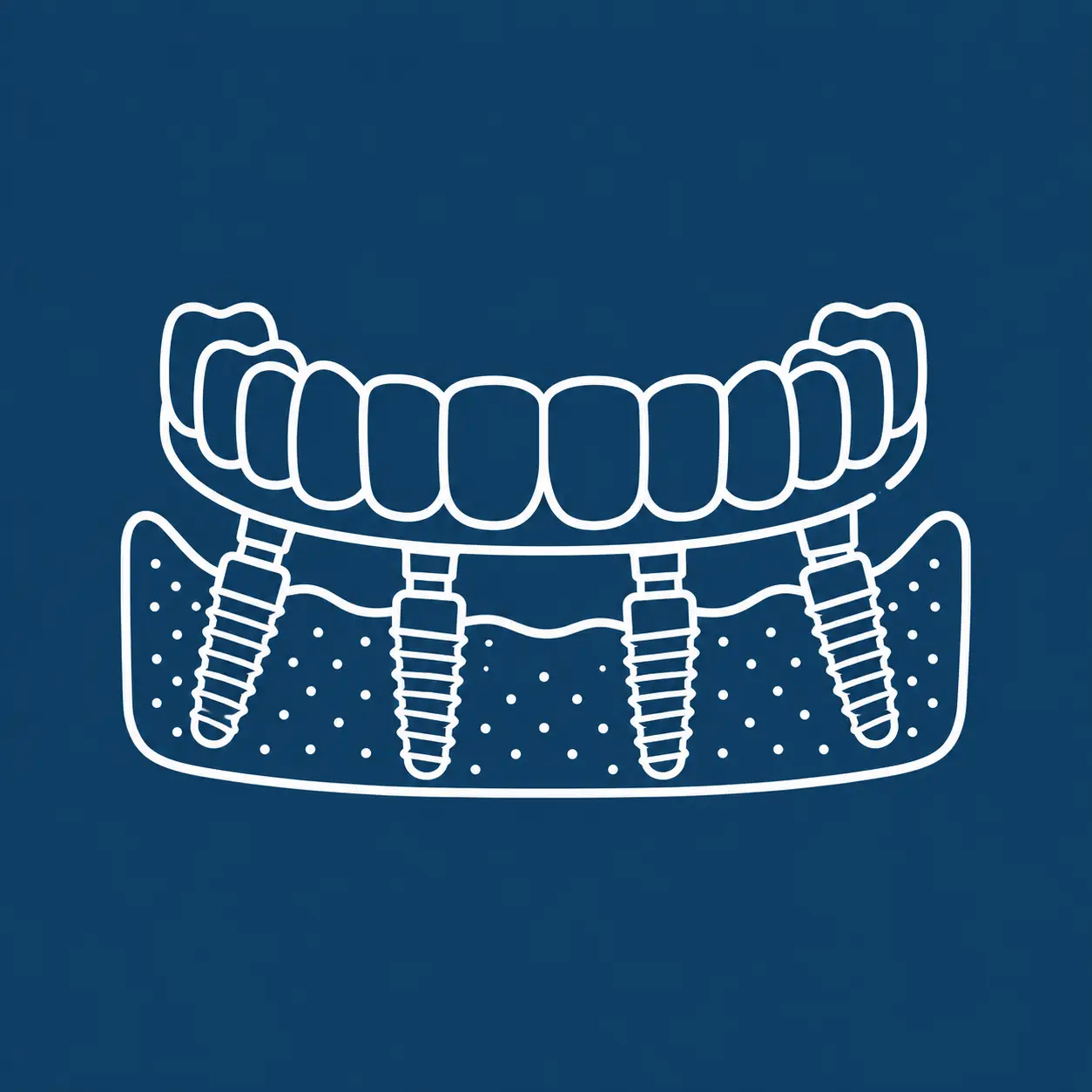
Flapless Implants
The most common option for patients with healthy jawbone – excellent results and long lifespan.
[Fast recovery]
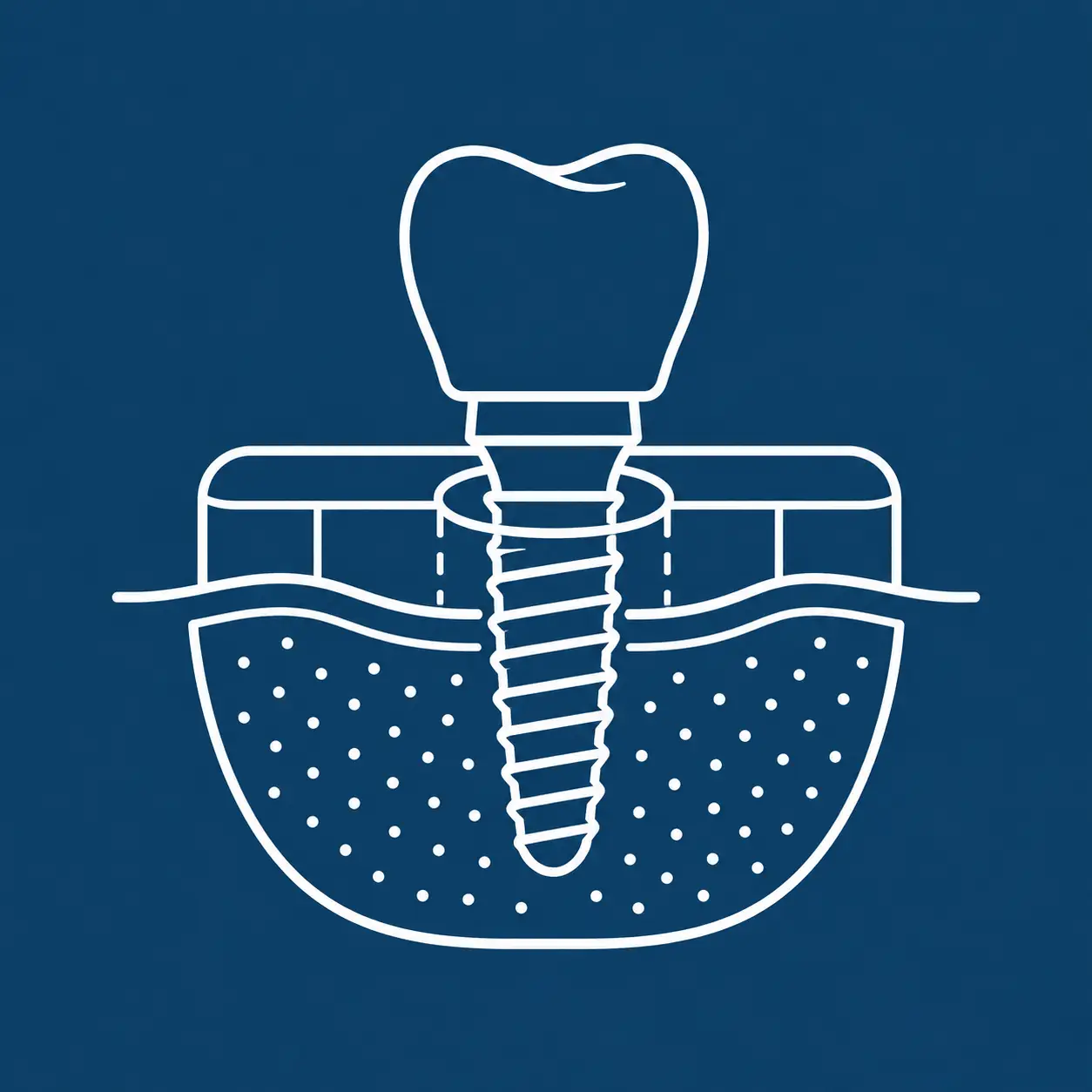
Corticobasal implants...
When traditional implants are not a suitable option
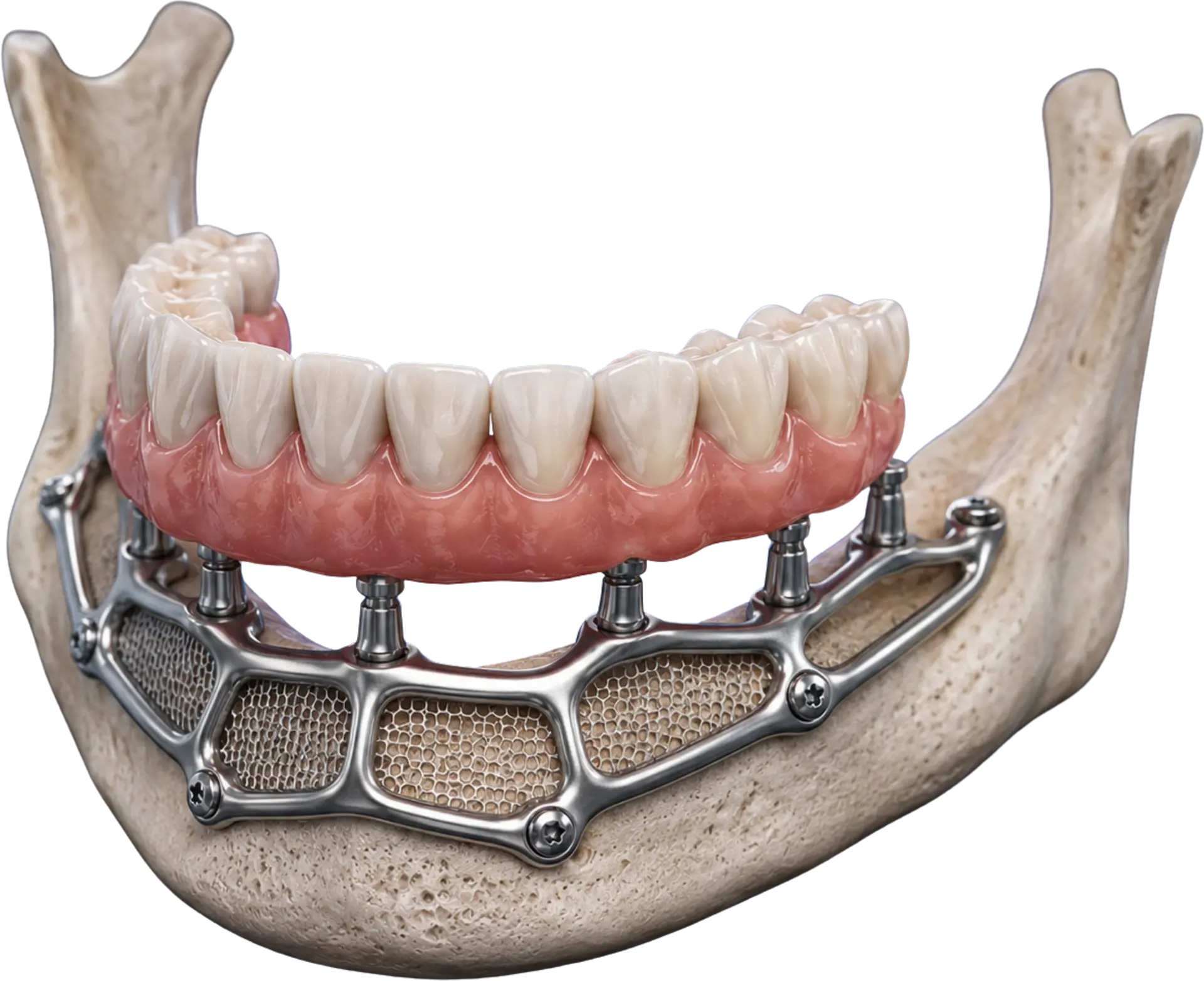
In cases of severe jawbone deficiency, traditional implants may not be enough to replace missing teeth.
This is where anatomical implants come as an advanced treatment option, relying on carefully planned fixation in more stable areas of the jawbone. In some cases, this may help patients obtain fixed teeth without the need for bone grafting.
Book your consultation to find out whether anatomical implants are suitable for your case.
Key points:
- Suitable for weak jawbone density
- No bone grafting
- Immediate loading after implant placement
- Long-term results
- Suitable for multiple complex cases.
Implant Procedure Steps
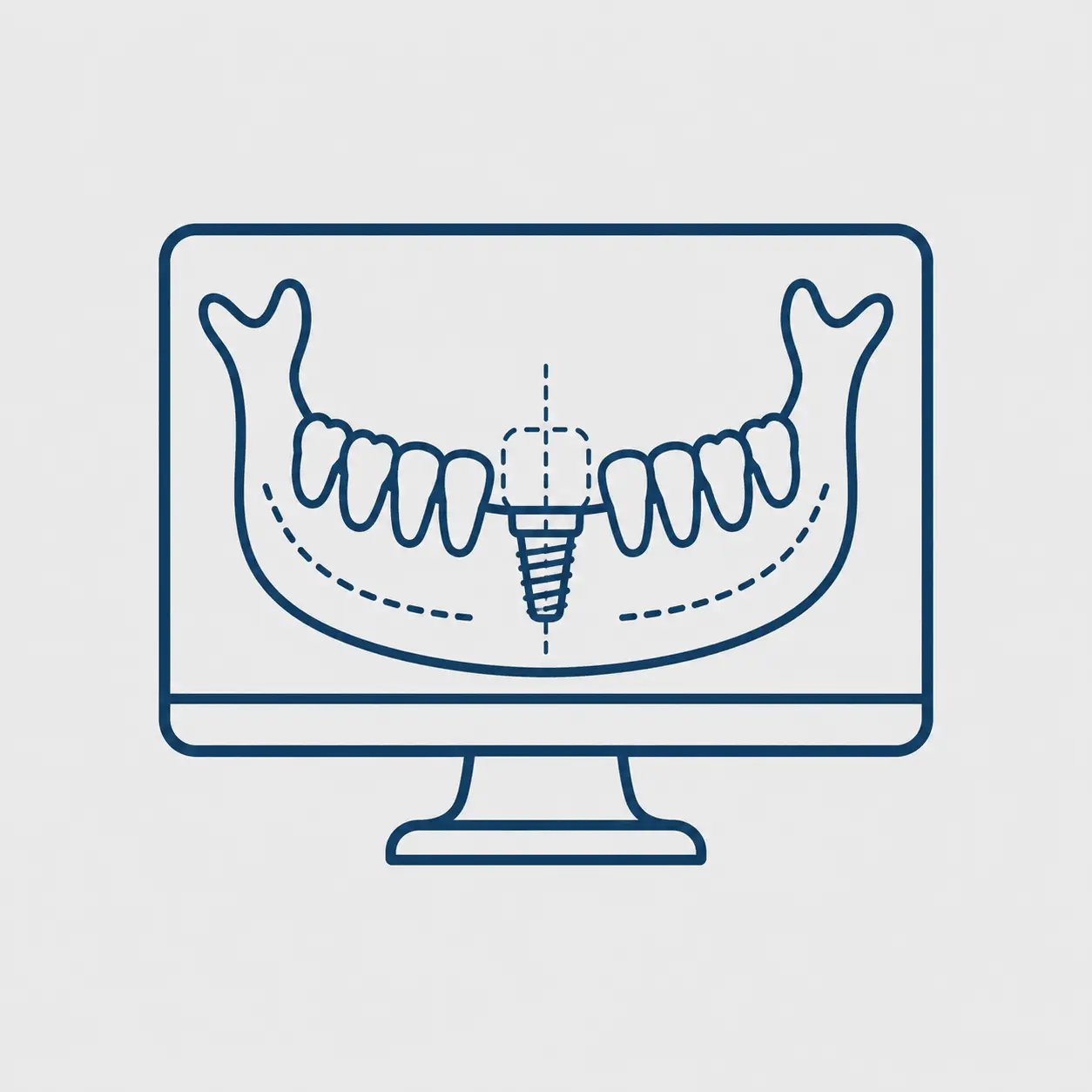
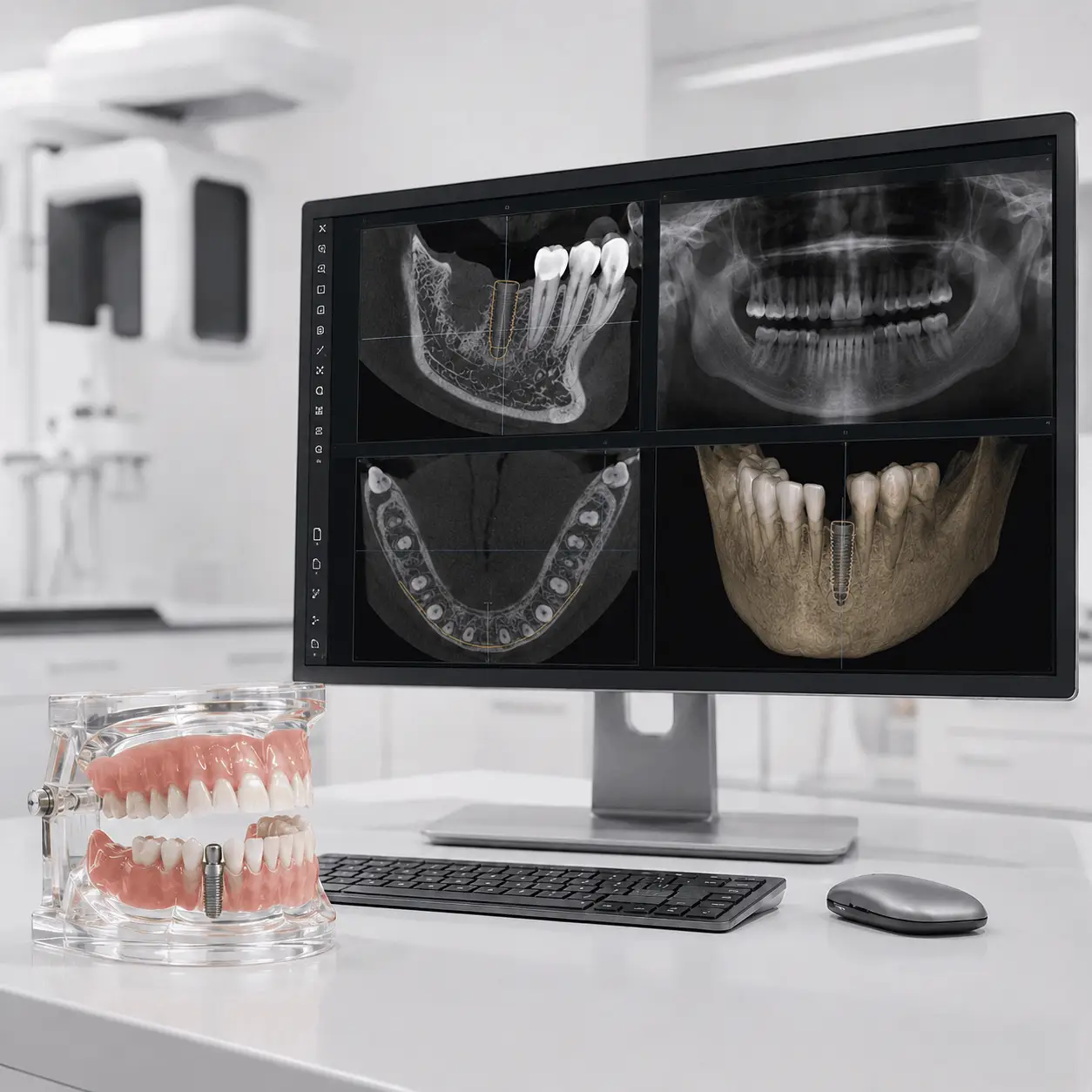
Examination and Planning
3D imaging to evaluate the jawbone and determine the treatment plan that suits your case.
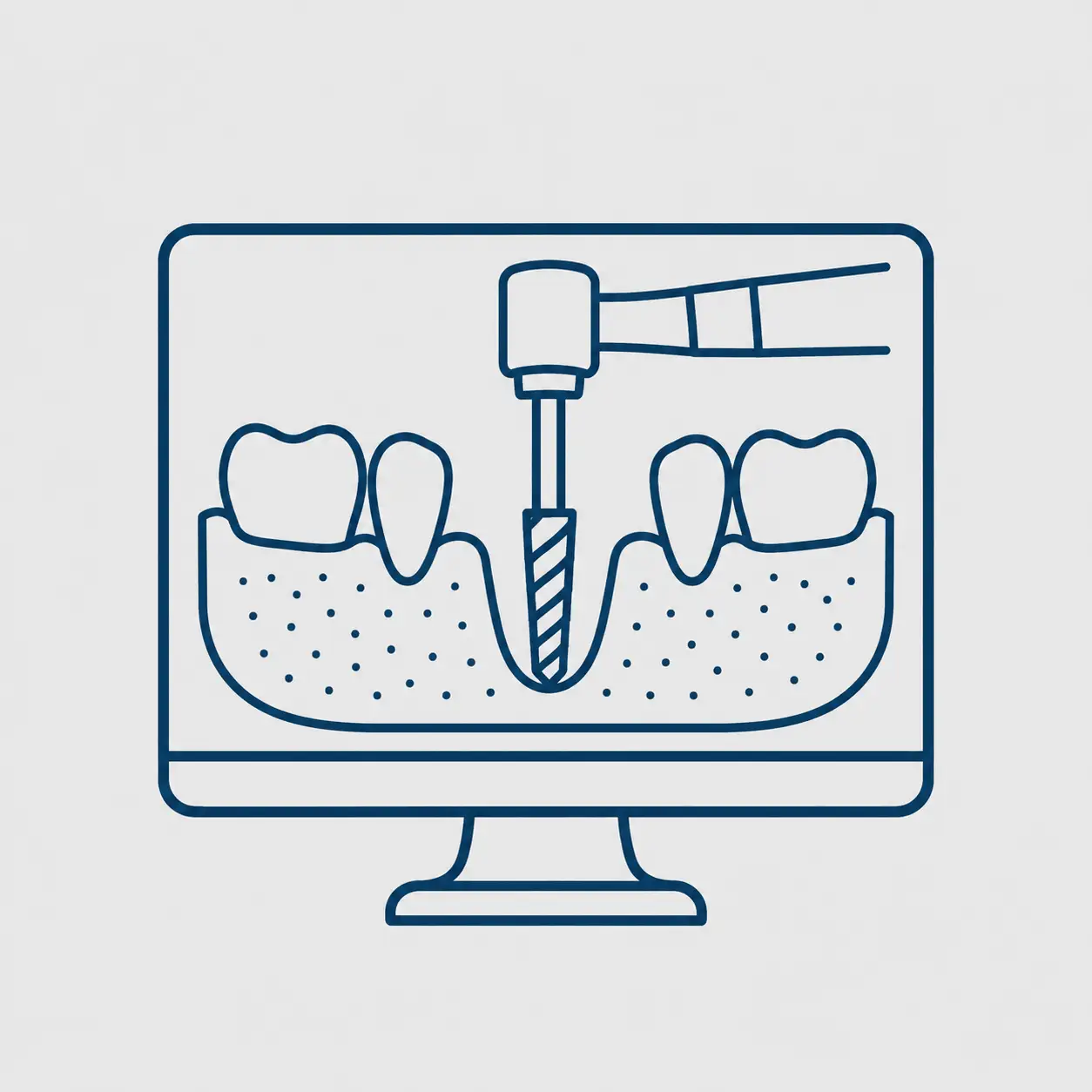
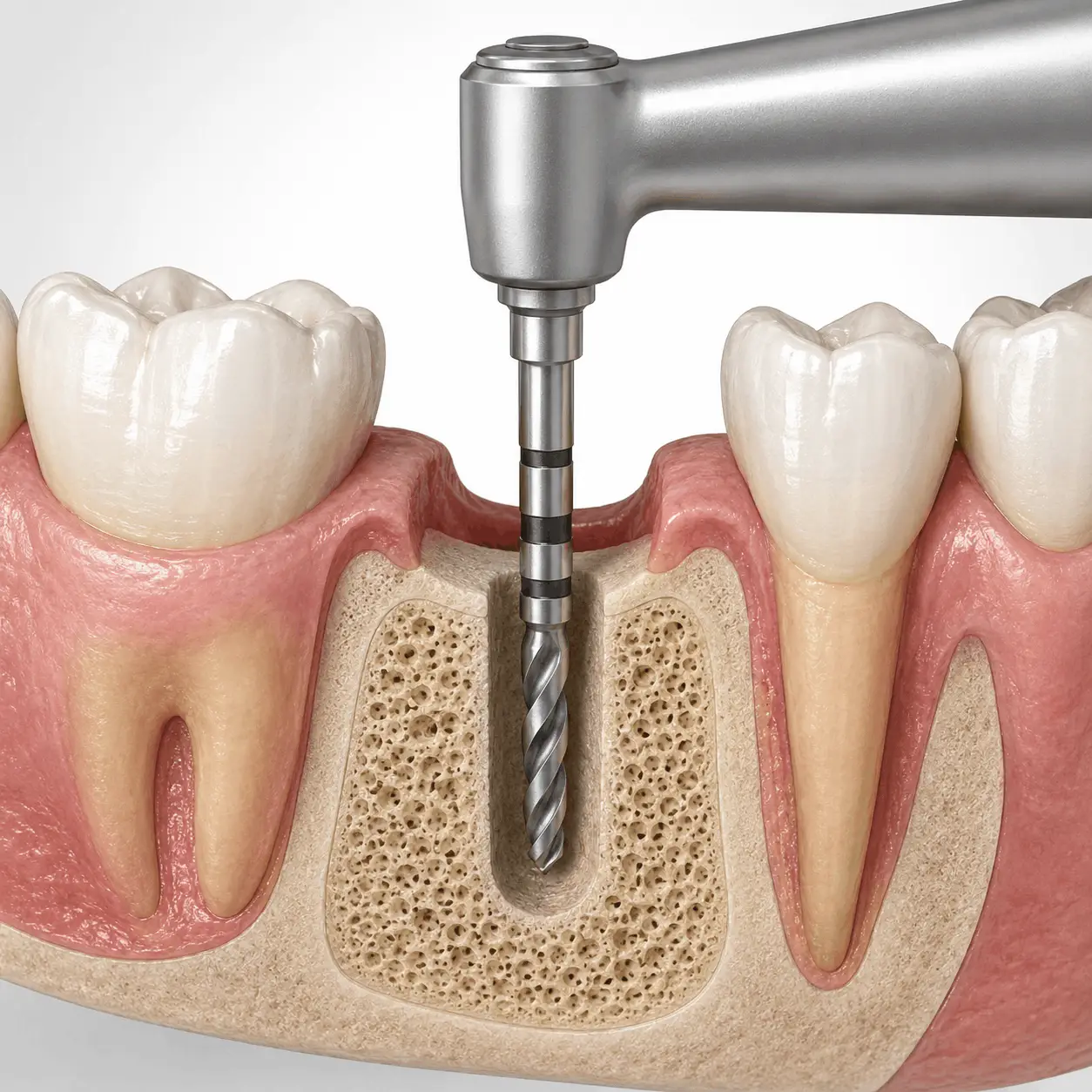
Preparing The Implant Site
Under complete local anesthesia – comfortable, and you do not feel any pain during the session.
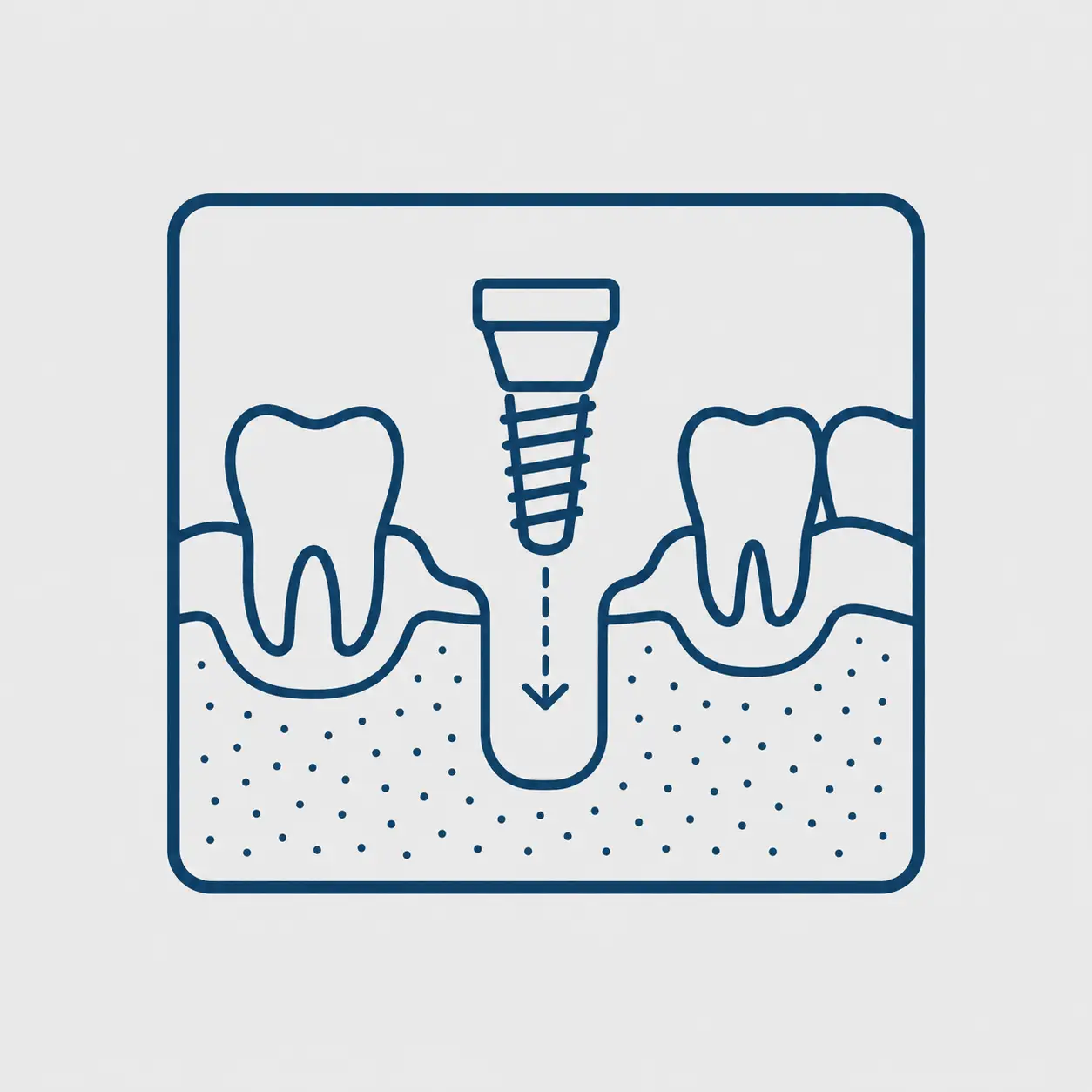
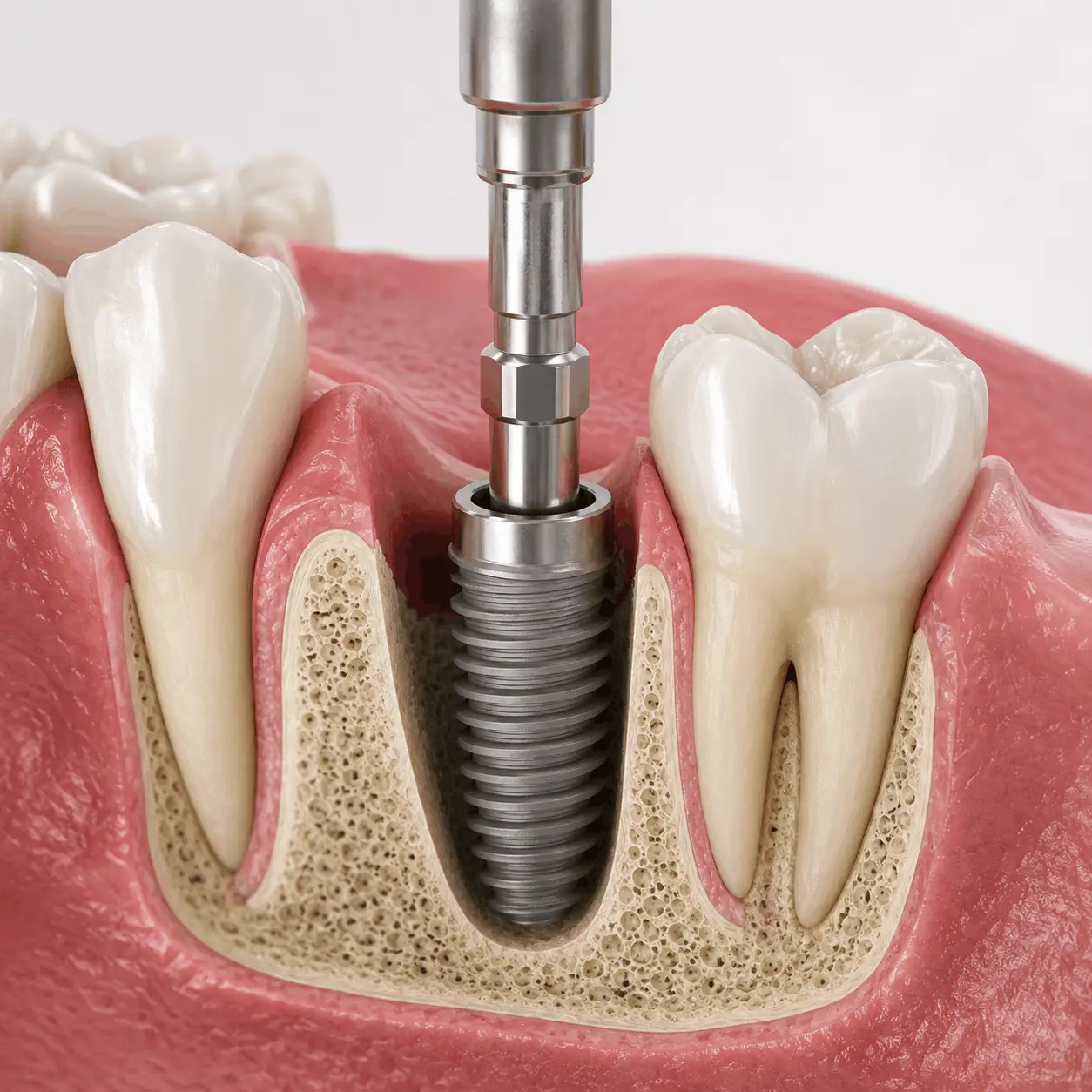
Placing The Implant
We place the implant inside the jawbone in a short session.
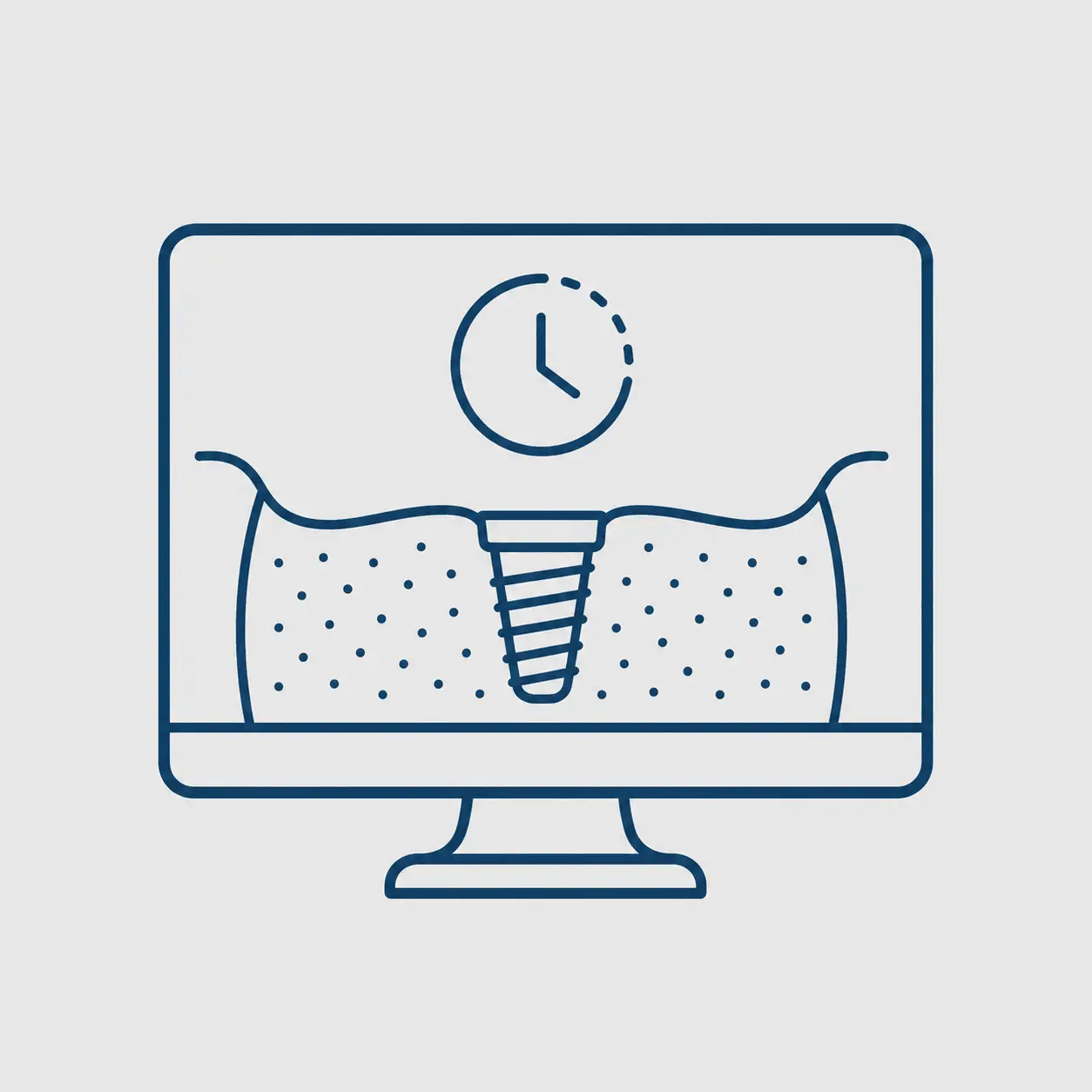
Integration Period
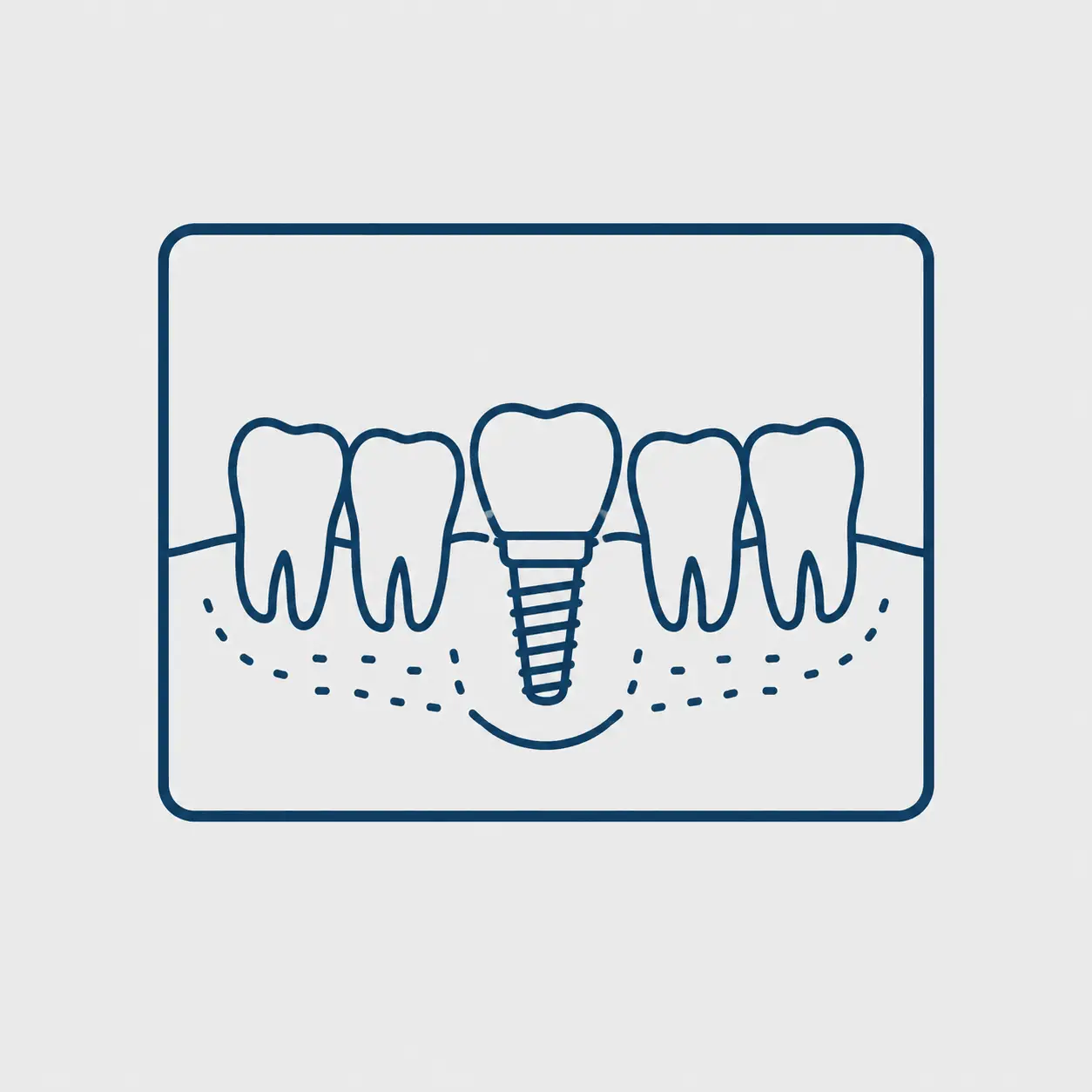
The implant integrates with the jawbone over a few months – or immediately in anatomical or immediate implant cases.
Fixing The Final Tooth
We fix the permanent tooth, matching the color and shape of your natural teeth.
Patient Reviews
Mirna Naser
It’s an amazing dental clinic, The clinic is spotless, modern, and very welcoming. The staff are incredibly friendly and professional. A special thank you to Dr. Nora, who is truly amazing…
Mary Bassaly
One of the best decisions I’ve made was choosing Smile Time. The team is extremely respectful and professional — from the doctors and nurses to the clinic’s reception staff…
Abo Nawaf
I am a visitor from Saudi Arabia…. Frankly and with all honesty, the center is very tidy and equipped with the latest technologies and modern medical equipment, better than hospitals…
Patient Videos
Real videos from patients who completed their implant journey with us.
All videos are published with patient consent and are updated regularly.
Approved Implant Brands
We use only trusted international brands for results that last.

European Implants
Trusted according to strict European standards.

Korean Implants
Technology that balances efficiency and cost.

Swiss Implants
The gold standard in precision and durability.

American Implants
Reliable systems with clinically proven results.
Frequently Asked Questions
Answers to the questions our patients ask most often.
The session is done under complete local anesthesia, and you will not feel any pain. After the session, there may be mild discomfort for a few days, which can be controlled with simple painkillers.
The implant session itself takes from 30 to 60 minutes. After that, there is an integration period of 3 to 6 months in traditional implants. Immediate and anatomical implants allow temporary teeth to be fitted more quickly.
Globally, the success rate exceeds 95%, and it increases further with regular follow-up and proper care.
Anatomical implants are an advanced type of dental implant used in some cases where the jawbone is not sufficient for traditional implants. They rely on fixing the implants in more stable bone areas and may be a suitable solution for some cases without the need for bone grafting.
They may be suitable for people who suffer from severe jawbone deficiency, or for those who were previously told that traditional implants were not suitable for their case. This is determined after examination and imaging.
Anatomical implants are especially suitable for people who suffer from severely weak jawbone density or who were rejected for traditional implants. Suitability is determined after examination and 3D imaging.
Both replace all the teeth of a full jaw, but All-on-6 uses six implants instead of four, which provides greater stability and suits cases that require additional support. The choice depends on the jawbone evaluation and the number of teeth to be replaced.
The implant itself (titanium) usually lasts a lifetime. The porcelain crown above it may need replacement after 15 to 20 years depending on use and care. Good oral hygiene and regular follow-up significantly extend the lifespan of implants.
Controlled diabetes does not prevent implants, but it requires accurate evaluation and coordination with the treating physician. Uncontrolled diabetes may affect healing and the success rate, so it is preferable to control it first.